10 Surprising Health Insights Your Fitness Tracker Can Reveal (That Most People Ignore)
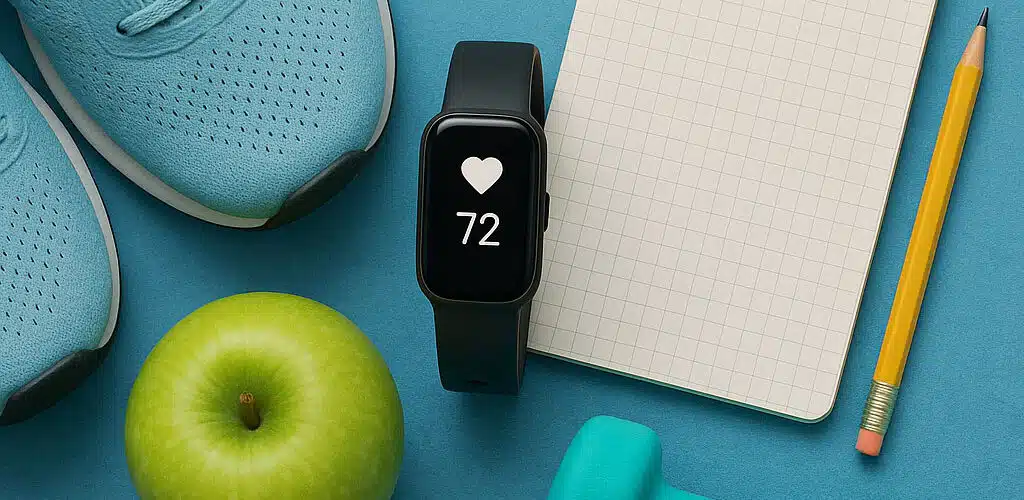
Most people buy a wearable for steps and notifications. But the real magic sits in the quieter metrics – the ones that nudge you about hidden stress, flag brewing colds, or reveal why your 5k pace yo-yos every Thursday. In this story-driven guide, I’ll walk you through 10 underused insights modern trackers surface, with real-world examples and the best devices for each job. If you only ever check steps and heart rate, you’re leaving serious performance, energy, and long-term health wins on the table. Let’s dive in!
1) “I Feel Fine” – But Your Resting Heart Rate Says Otherwise
The story: You wake feeling OK, but your resting heart rate (RHR) is 6 – 8 bpm higher than your weekly baseline. Later, a draggy run confirms it. Two days after pushing through, you’re coughing. RHR often rises a day or two before you notice symptoms – a subtle early-warning siren.
What to do: Treat an elevated RHR like a “yellow light.” Dial back intensity, prioritise hydration, add 30 – 60 minutes of extra sleep, and go heavy on nutrient-dense meals. If RHR remains elevated for 3+ days, consider full rest.
Best devices for the job: Garmin Venu 3 (excellent sensor stability for RHR trends, 9.7 accuracy), Fitbit Charge 6 (great daily readiness cues at a lower price).
2) HRV – The Invisible Stress Metre That Predicts Your “Snap” Moments
The story: A high-stakes week at work coincides with shallow sleep. Your Heart Rate Variability (HRV) steadily dips night after night. You’re not sick – you’re stressed. HRV doesn’t care if stress comes from training, deadlines, or travel – your nervous system totals the bill.
What to do: HRV trending down for 3 – 5 days – especially with poor sleep – screams for easier sessions, sunlight exposure, and pre-bed wind-down. Use breathwork or a 10-minute walk after meals. Train hard when HRV rebounds, not when it’s tanking.
Best devices: Garmin Venu 3 (strong multi-day load insights), Apple Watch Series 10 (robust app ecosystem – top-tier for mindfulness and sleep-adjacent companions, 9.7 integration).
3) VO₂ Max & Fitness Age – How Your “Ceiling” Is Moving Month to Month
The story: You’re running more than ever, but your estimated VO₂ Max stalls. Meanwhile, easy runs feel harder. The culprit – too many medium-hard days. Without polarized training, your “engine” doesn’t get the right stimulus.
What to do: Reset your week: 2 easy runs + 1 interval day + 1 long slow session. Watch VO₂ Max break its plateau in 3 – 6 weeks.
Best devices: Garmin Venu 3 (class-leading training load + pace guidance), Fitbit Charge 6 (simple fitness age framing for casual runners).
4) Sleep Staging Isn’t the Point – Consistency Is
The story: You become obsessed with REM and deep sleep minutes, but miss the core pattern: a consistent 7 – 8 hour window beats chasing perfect sleep architecture. Most performance bumps come from the boring bit – regularity.
What to do: Keep sleep-wake times within a 60-minute window and track a rolling 7-day average. Treat bedtime like a training session – phones parked, low light, cool room.
Best devices: Apple Watch Series 10 (9.8 features – strong sleep focus add-ons), Fitbit Charge 6 (gentle bedtime nudges, accurate-enough staging with standout battery at this price).
5) Cadence & Ground Contact Time – The Secret Fix for “Mystery” Shin Splints
The story: You’re ramping miles and your shins complain. Your watch reveals low cadence and long ground contact time – you’re overstriding. Small tweaks – slightly faster cadence and shorter stride – reduce impact and smoothen form.
What to do: Target a 5 – 7% cadence increase at easy pace. Combine drills – high knees, short fast strides – once or twice a week.
Best devices: Garmin Venu 3 (running dynamics metrics plus accurate wrist HR, 9.7 accuracy). If you’re more casual, Fitbit Charge 6 offers clean pace and cadence basics to get started.
6) Training Load vs. Recovery – Avoid the “Always Tired, Never Better” Trap
The story: Your weekly summary shows “productive” or “maintaining” every week, yet you never PR. Check your load distribution. Many people sit in a grey zone – too hard to recover, too easy to adapt. Your readiness score and HRV will confirm it.
What to do: Build true contrast: one high-quality interval day, one long easy session, the rest conversational runs or cross-training. Let the recovery score guide when to strike.
Best devices: Garmin Venu 3 (smart training load view), Apple Watch Series 10 (elite coaching apps and auto-logging that keep you honest).
7) Skin Temperature & Respiratory Rate – Early Signals for Illness and Overreaching
The story: Your resting respiration ticks up and nightly skin temperature runs slightly hot – before any cough or fever. It’s often the earliest “I’m fighting something” hint your body gives.
What to do: Call an audible – lower intensity, add micronutrients, push bedtime forward, and prioritise hydration. If trends persist beyond 48 – 72 hours, rest fully.
Best devices: Apple Watch Series 10 with its deep wellness ecosystem, plus Garmin Venu 3 for stable multi-night baselining.
8) Stress Scores – Your Afternoon Crash Starts in the Morning
The story: By 2pm you’re wrecked. Your watch reveals high stress load 8am – 11am on meeting days. You’re trying to PR a workout at lunch without recovering from the morning cortisol spike.
What to do: Insert micro-recoveries – 2 minutes of box breathing after meetings, a 10-minute walk at 11:30am, or a protein-heavy snack. Train easy at lunch on big meeting days – save hard intervals for low-stress mornings.
Best devices: Fitbit Charge 6 (simple, sticky stress prompts) or Apple Watch Series 10 (mindfulness and Focus mode automations).
9) Zone Drift – Why “Easy” Runs Suddenly Spike Your Heart Rate
The story: It’s cool outside, pace is easy, but heart rate climbs 20 bpm at minute 25. That’s cardiac drift – often hydration, heat acclimation, or poor fuelling. If it happens every time, your aerobic base needs work.
What to do: Pre-hydrate with electrolytes on warmer days, and stick to nose-breathable pace for 30 – 45 minutes. Add a weekly long slow session and short strides to improve economy.
Best devices: Garmin Venu 3 (excellent live HR zone control) – while Fitbit Charge 6 keeps the data minimalist and actionable for newer runners.
10) Menstrual Cycle & Training – Predict Your Best Days to Lift or PR
The story: Strength and motivation fluctuate with cycle phases. Trackers that overlay cycle data with readiness and HRV help plan peak-intensity sessions when your body is most primed – and dial back when it’s not.
What to do: Align strength or quality run sessions with phases you typically feel strongest. Protect sleep and recovery in lower-energy phases. Trends beat one-off numbers.
Best devices: Apple Watch Series 10 (rich third-party apps and insights), with Garmin Venu 3 also providing reliable training-readiness context.
Mini Buyer’s Guide – Choose the Right “Insight Engine”
Garmin Venu 3 – The Metrics-First Performer
- Why it stands out: Our highest overall scorer at 9.6 – rock-solid accuracy (9.7), deep training features (9.5), and strong battery (9.5).
- Best for: Runners and multi-sport athletes who want the whole picture – cadence, load, recovery, HRV, and reliable on-wrist coaching cues.
- Pros: Excellent GPS and HR stability – training load clarity – robust coaching – battery that supports genuine training weeks.
- Cons: Interface is more athletic than lifestyle – casual users might prefer simpler dashboards.
Apple Watch Series 10 – The Wellness Powerhouse
- Why it stands out: Feature score 9.8 and app integration 9.7 – unmatched ecosystem for mindfulness, sleep, cycle tracking, and habit formation.
- Best for: iPhone users who want a premium health companion with serious workouts, rich notifications, and effortless app add-ons.
- Pros: Elite third-party apps – comprehensive wellness layers – superb day-to-day usability.
- Cons: Battery life 8.8 means nightly or near-nightly charges if you’re tracking sleep and workouts.
Fitbit Charge 6 – Everyday Insight, Zero Fuss
- Why it stands out: Overall 9.3 with excellent battery (9.3) – a small, comfortable tracker that covers the big wins – RHR, HRV-adjacent readiness, sleep consistency, and stress.
- Best for: Anyone who wants meaningful guidance without smartwatch bulk or price.
- Pros: Lightweight – simple app – helpful daily nudges – great value.
- Cons: Fewer advanced performance metrics than the top-end watches.
Scores above taken from our 2025 dataset methodology – rounded to one decimal for readability.
How to Turn Insights into Actions – A 7-Day Reset
- Day 1: Record baselines – RHR, HRV, sleep duration, and 20-minute easy effort heart rate.
- Day 2: Sleep consistency – set a firm 60-minute sleep window. Phone parked 60 minutes before bed.
- Day 3: Hydration + 10-minute post-meal walks – lower afternoon stress drift.
- Day 4: Cadence check – add 6 x 20-second strides at the end of an easy session to improve economy.
- Day 5: Mindfulness micro-doses – 3 x 2-minute breathing sessions placed after meetings.
- Day 6: Long easy session – nose-breathing pace, fuel lightly, and monitor zone stability.
- Day 7: Review – Did HRV rise and RHR drop vs. Day 1 – 2 – If yes, plan a quality workout for tomorrow. If no, keep it easy and prioritise sleep.
Fitness Tracker Health Insights FAQs
Many people see a noticeable shift within 3 – 7 days. The bigger transformation is in consistency – stable sleep windows and non-exhaustive training accumulate into a steadier nervous system over 3 – 6 weeks.
Absolute HRV varies widely by person. Trends matter more than single numbers. If your HRV is steadily falling for several days alongside fatigue or elevated RHR, treat it as a sign to reduce intensity and recover.
For easy and moderate sessions – usually yes. For intervals and strength work, accuracy can vary with motion. If you need precision for high-intensity training or detailed analysis, consider pairing a chest strap.
It matters. If you want all-day health insights and overnight sleep with fewer charges, Garmin Venu 3 and Fitbit Charge 6 hold an advantage. Apple Watch Series 10 can still work beautifully if you charge during a shower or while you’re at your desk.
Final Word – Your Tracker Is a Coach, Not a Scoreboard
The biggest unlock isn’t a new metric – it’s using a few core ones consistently. Watch your RHR, HRV, sleep regularity, and training load – then let that intelligence steer when to push and when to protect recovery. If you’re ready to upgrade to a device that makes this easy, the Garmin Venu 3, Apple Watch Series 10, and Fitbit Charge 6 are our standouts in 2025. For more options and budgets, explore our round up of the best fitness watches.
Pros & Cons Snapshot
- Garmin Venu 3 Pros: Class-leading accuracy – deep training features – battery that supports heavy use. Cons: Athletic UI can feel dense for casual users.
- Apple Watch Series 10 Pros: Best-in-class apps – wellness depth – everyday usability. Cons: Needs frequent charging if you track sleep nightly.
- Fitbit Charge 6 Pros: Lightweight – affordable – long battery – simple insights. Cons: Fewer pro training metrics.
Editor’s Note – How We Score
Our dataset blends accuracy, battery life, comfort, app integration, features, and support – each rated out of 10 and combined into an overall score. We re-check these numbers before publishing to ensure any star ratings and comparisons reflect the latest sheet values. If scores change, the page is updated to match.
Fitness Tracker Scores 2025 Dataset
If you found this content helpful,please consider sharing!:
More in Gadgets
