
The Ultimate Guide Of The Best Fitness Trackers in 2025
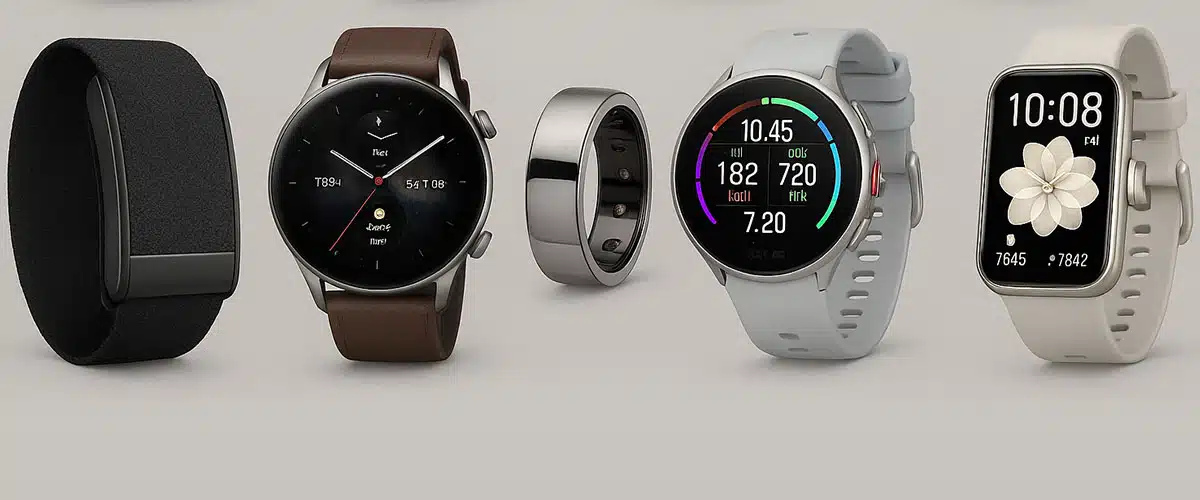
After spending time with each wearable in everyday conditions – outdoor GPS runs, interval sessions, strength workouts, and overnight sleep – the biggest differences were not the headline specs. They were the small frictions that decide whether you keep wearing a tracker after week one.
Most ‘best fitness tracker’ rankings gloss over the parts that matter in practice: how consistent heart-rate and GPS data stays when you sweat, how often charging breaks your routine, and whether the app turns numbers into decisions you can actually act on.
This guide is our editorial judgement first, backed by a transparent scoring dataset. Use the table as supporting evidence, then use the trade-offs and decision guidance to pick the option that fits your goals, phone, and budget.
Key Findings – What We Learned
- Battery life is a data quality feature, not just a convenience – fewer charges usually means fewer gaps in sleep and recovery trends.
- Ecosystem fit is the fastest way to eliminate options: iPhone-first users get the smoothest experience with Apple Watch, while Android users who want smartwatch apps typically land on Samsung.
- Training-focused watches win on repeatable GPS and workout tools, but they can feel ‘less smart’ day to day – that trade-off matters if notifications and lifestyle apps keep you wearing it.
- Recovery-first wearables are most useful when you already train regularly – without a consistent routine, readiness and strain insights are easy to ignore.
- Form factor drives consistency: bands and rings tend to stay on overnight, while larger watches are more likely to be taken off – which changes what the device can realistically tell you.
At a Glance – The Best Fitness Trackers of 2025
| Rank | Provider | Overall | Accuracy | Battery | Comfort | App Integration | Features | Support | Best For |
|---|---|---|---|---|---|---|---|---|---|
| 1 | Garmin Venu 3 | 9.6 / 10 ★★★★★ | 9.7 | 9.5 | 9.6 | 9.4 | 9.5 | 9.3 | Serious fitness enthusiasts |
| 2 | Apple Watch Series 10 | 9.5 / 10 ★★★★★ | 9.6 | 8.8 | 9.4 | 9.7 | 9.8 | 9.2 | iPhone users who want everything |
| 3 | Fitbit Charge 6 | 9.3 / 10 ★★★★½ | 9.2 | 9.3 | 9.1 | 9.4 | 9.0 | 9.1 | Affordable fitness tracking |
| 4 | Samsung Galaxy Watch 7 | 9.3 / 10 ★★★★½ | 9.3 | 9.0 | 9.2 | 9.5 | 9.4 | 9.1 | Android users who want a powerhouse |
| 5 | Whoop 5.0 | 9.2 / 10 ★★★★½ | 9.4 | 9.6 | 9.3 | 9.0 | 9.5 | 8.8 | Recovery focused athletes |
| 6 | Amazfit Balance 2 | 9.1 / 10 ★★★★½ | 9.0 | 9.5 | 9.2 | 8.9 | 9.1 | 8.8 | Best value for long battery |
| 7 | Oura Ring Gen 4 | 9.1 / 10 ★★★★½ | 9.1 | 9.4 | 9.6 | 9.1 | 8.9 | 8.8 | Discreet 24 7 recovery and sleep |
| 8 | Polar Vantage V3 | 9.0 / 10 ★★★★½ | 9.2 | 9.3 | 9.0 | 8.9 | 9.2 | 8.8 | Runners and triathletes |
| 9 | Xiaomi Smart Band 9 | 8.9 / 10 ★★★★½ | 8.8 | 9.4 | 9.0 | 8.7 | 8.8 | 8.6 | Best budget tracker |
| 10 | Huawei Watch Fit 3 | 8.9 / 10 ★★★★½ | 8.9 | 9.2 | 9.1 | 8.8 | 8.9 | 8.7 | All day health on a budget |
Methodology – Scores are out of 10 using our 2025 fitness tracker dataset across accuracy, battery life, comfort, app integration, features, and support. The overall score is weighted towards repeatable fitness tracking performance, not just the richest smartwatch app store.
What this dataset is designed to evaluate: measurable tracking performance and platform maturity at a point in time. What it does not capture: personal fit (wrist size or ring sizing), medical requirements, local pricing or availability, or whether you like a brand’s coaching style.
The Dataset Behind Our Scores – Fitness Tracker Scores 2025
Download CSV – use this to review the raw category scores and weightings behind the overall ranking.
Editors’ Picks – Who Should Buy What
- Best overall training watch – Garmin Venu 3 for athletes who want reliable accuracy, coaching, and battery endurance.
- Best smartwatch for iPhone – Apple Watch Series 10 with class leading safety, ecosystem apps, and performance.
- Best value band – Fitbit Charge 6 brings excellent accuracy and battery at a mid range price.
- Best Android smartwatch – Samsung Galaxy Watch 7 offers balanced fitness features and robust apps.
- Best for recovery insights – Whoop 5.0 if you want strain, sleep, and recovery to guide training load.
- Best battery life for the money – Amazfit Balance 2 with multi day stamina and strong GPS.
- Best discreet wearable – Oura Ring Gen 4 focuses on sleep, readiness, and 24/7 wearability.
How to Choose the Right Fitness Tracker
Rankings only help if they match your priorities. The ‘right’ tracker is the one you will actually wear consistently, and the one that fits your phone and training habits.
- Choose Garmin Venu 3 or Polar Vantage V3 if you care most about repeatable training metrics (reliable GPS and heart-rate trends) and you want multi-day battery for long sessions.
- Choose Apple Watch Series 10 if you are iPhone-first and you want the broadest mix of fitness, safety, and everyday smartwatch apps – accepting more frequent charging.
- Choose Samsung Galaxy Watch 7 if you are on Android and you want a strong smartwatch experience with serious fitness features, without moving to a training-only watch.
- Choose Whoop 5.0 or Oura Ring Gen 4 if your main goal is sleep and recovery guidance – especially if you do not need on-wrist workout screens or built-in GPS.
- Choose Fitbit Charge 6 or Amazfit Balance 2 if you want strong core tracking at a lower total cost, with fewer ecosystem extras than the biggest platforms.
- Choose Xiaomi Smart Band 9 or Huawei Watch Fit 3 if budget and comfort matter more than advanced coaching, deep app ecosystems, or specialist training tools.
In Depth Reviews – Top to Bottom
1. Garmin Venu 3 – The do everything fitness watch for serious training
Scores out of 10
- Accuracy: 9.7/10 ★★★★★★★★★★
- Battery Life: 9.5/10 ★★★★★★★★★★
- Comfort: 9.6/10 ★★★★★★★★★★
- App Integration: 9.4/10 ★★★★★★★★★★
- Features: 9.5/10 ★★★★★★★★★★
- Support: 9.3/10 ★★★★★★★★★★
- Overall: 9.6/10 ★★★★★★★★★★
Garmin continues to lead for athletes who prioritise reliable metrics and long term progress. The Garmin Venu 3 delivers excellent GPS and heart rate accuracy, multi day battery life, and robust training readiness and recovery insights. Its app ecosystem is mature and health metrics are explained clearly with trendlines you can actually act on.
- Pros – Best in class accuracy, long battery, reliable GPS, strong training tools.
- Cons – Interface feels more utilitarian than fashion forward watches, fewer third party lifestyle apps.
Trade-offs and who it is not for – If you mainly want a lifestyle smartwatch with lots of third-party apps, voice assistants, and rich notifications, you may feel better served by Apple Watch Series 10 or Samsung Galaxy Watch 7. Garmin Venu 3 makes most sense when training reliability and multi-day battery are your priority, even if the interface feels more utilitarian.
2. Apple Watch Series 10 – The smartest smartwatch for iPhone users
Scores out of 10
- Accuracy: 9.6/10 ★★★★★★★★★★
- Battery Life: 8.8/10 ★★★★★★★★★★
- Comfort: 9.4/10 ★★★★★★★★★★
- App Integration: 9.7/10 ★★★★★★★★★★
- Features: 9.8/10 ★★★★★★★★★★
- Support: 9.2/10 ★★★★★★★★★★
- Overall: 9.5/10 ★★★★★★★★★★
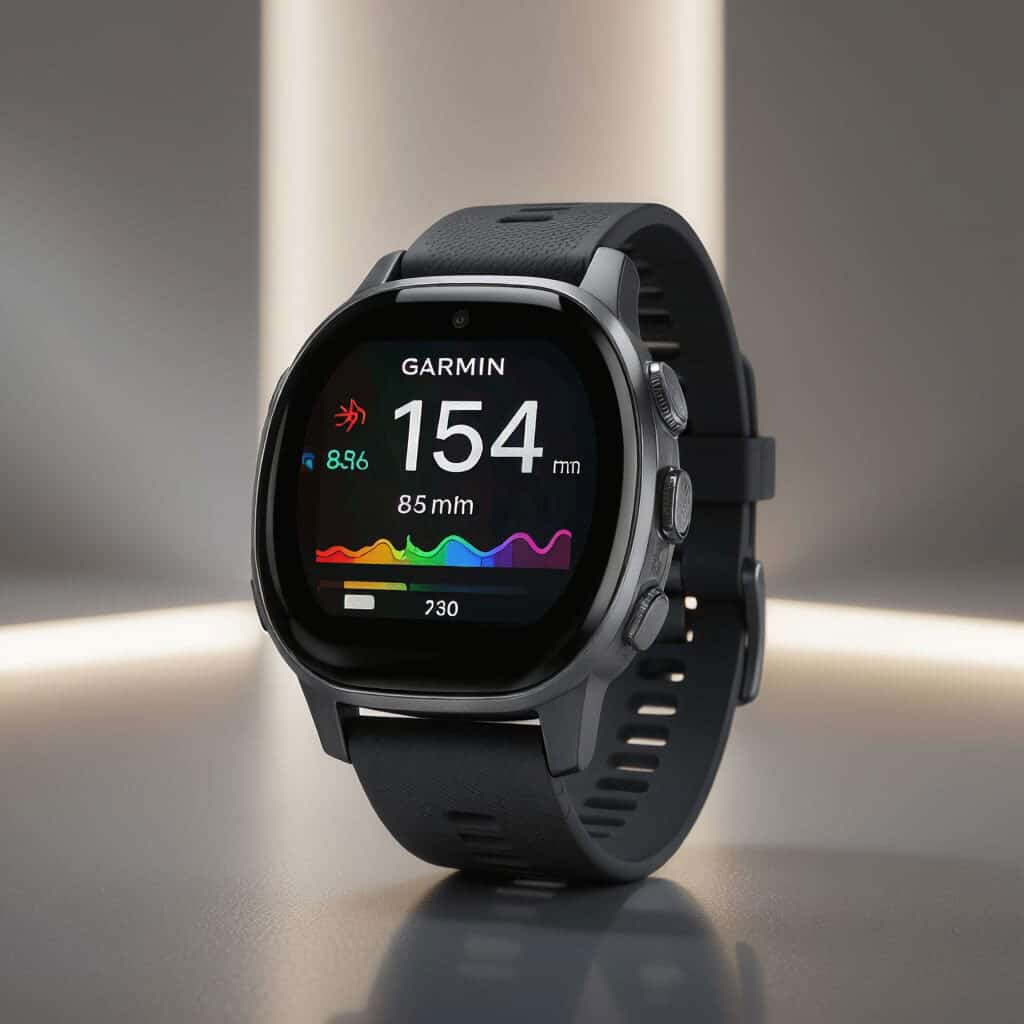
If you live in the Apple ecosystem, the Apple Watch Series 10 is the obvious choice. It nails safety features, offers rich coaching in Fitness and third party apps, and integrates seamlessly with iPhone and services. Battery life is shorter than pure sports watches, but fast charging and power modes help.
- Pros – Unrivaled apps and integrations, excellent health and safety suite, gorgeous screen.
- Cons – Battery life is good but not multi day for heavy GPS usage.
Trade-offs and who it is not for – If you regularly do long GPS sessions, multi-day events, or simply do not want to charge often, a training watch like Garmin Venu 3 or Polar Vantage V3 will usually fit better. Apple Watch Series 10 is the strongest choice when you want fitness plus everyday smartwatch convenience – and you are happy to charge more frequently.
3. Fitbit Charge 6 – Value packed tracking that covers the essentials
Scores out of 10
- Accuracy: 9.2/10 ★★★★★★★★★★
- Battery Life: 9.3/10 ★★★★★★★★★★
- Comfort: 9.1/10 ★★★★★★★★★★
- App Integration: 9.4/10 ★★★★★★★★★★
- Features: 9/10 ★★★★★★★★★★
- Support: 9.1/10 ★★★★★★★★★★
- Overall: 9.3/10 ★★★★★★★★★★
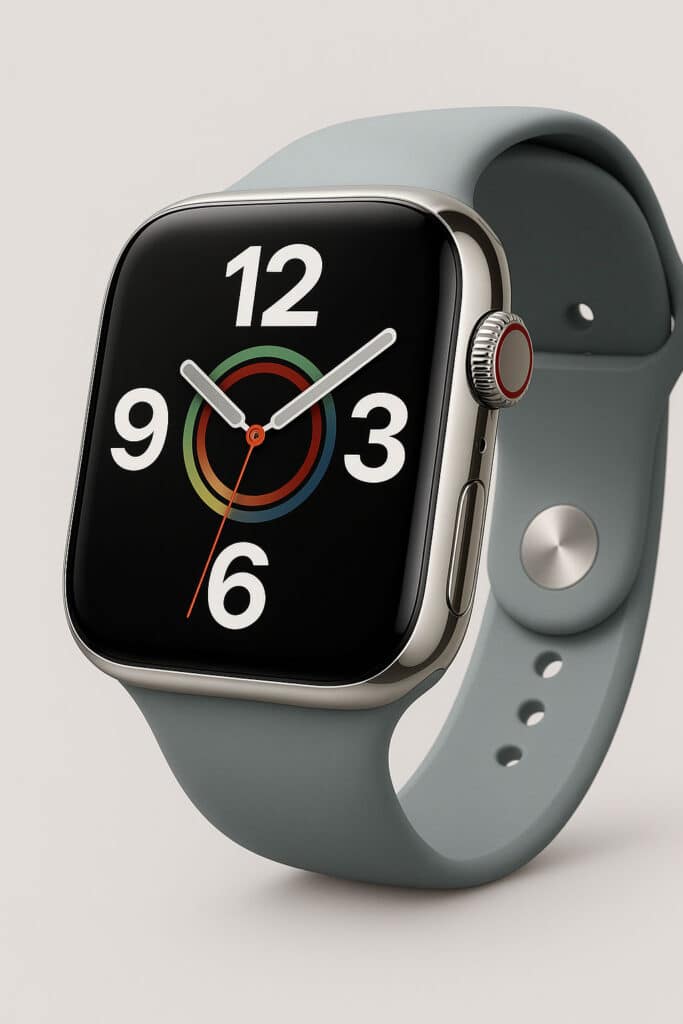
The Fitbit Charge 6 is our top mid range recommendation. Accuracy is strong for HR and GPS, battery goes multiple days, and Fitbit’s app keeps health simple with clear readiness and sleep insights. You miss some smartwatch luxuries, but for pure fitness it’s a winner.
- Pros – Excellent value, multi day battery, simple and motivating app.
- Cons – Smaller screen and fewer advanced sport profiles than full watches.
Trade-offs and who it is not for – If you need on-watch mapping, triathlon-style sport modes, or you train by detailed pace and power metrics, you will outgrow a band quickly – consider Garmin, Polar, or a full smartwatch instead. Fitbit Charge 6 works best when you want the essentials in a smaller, lighter device that you will actually wear to sleep.
4. Samsung Galaxy Watch 7 – The Android flagship with balanced strengths
Scores out of 10
- Accuracy: 9.3/10 ★★★★★★★★★★
- Battery Life: 9/10 ★★★★★★★★★★
- Comfort: 9.2/10 ★★★★★★★★★★
- App Integration: 9.5/10 ★★★★★★★★★★
- Features: 9.4/10 ★★★★★★★★★★
- Support: 9.1/10 ★★★★★★★★★★
- Overall: 9.3/10 ★★★★★★★★★★
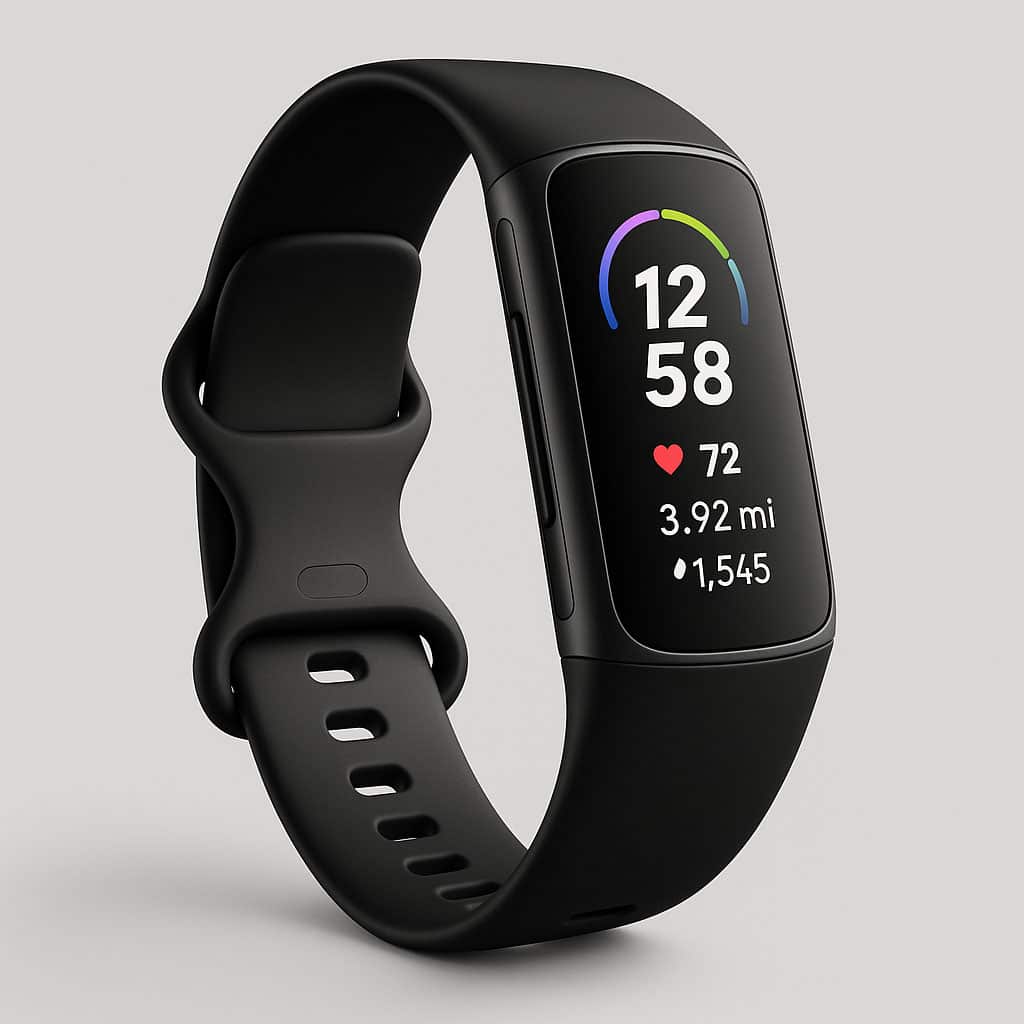
On Android, the Samsung Galaxy Watch 7 hits the sweet spot. Strong accuracy, robust coaching, and a deep app store make it equally capable for training and daily life. Battery is good for a smartwatch, and comfort is solid for 24 7 wear.
- Pros – Great apps and services, balanced health features, bright screen.
- Cons – Battery still shorter than dedicated sports watches on heavy GPS days.
Trade-offs and who it is not for – If your priority is week-long battery and pure training focus, dedicated sport watches still win on endurance and workout tooling. Samsung Galaxy Watch 7 is a better fit when you want a capable fitness watch that also behaves like a modern smartwatch on Android.
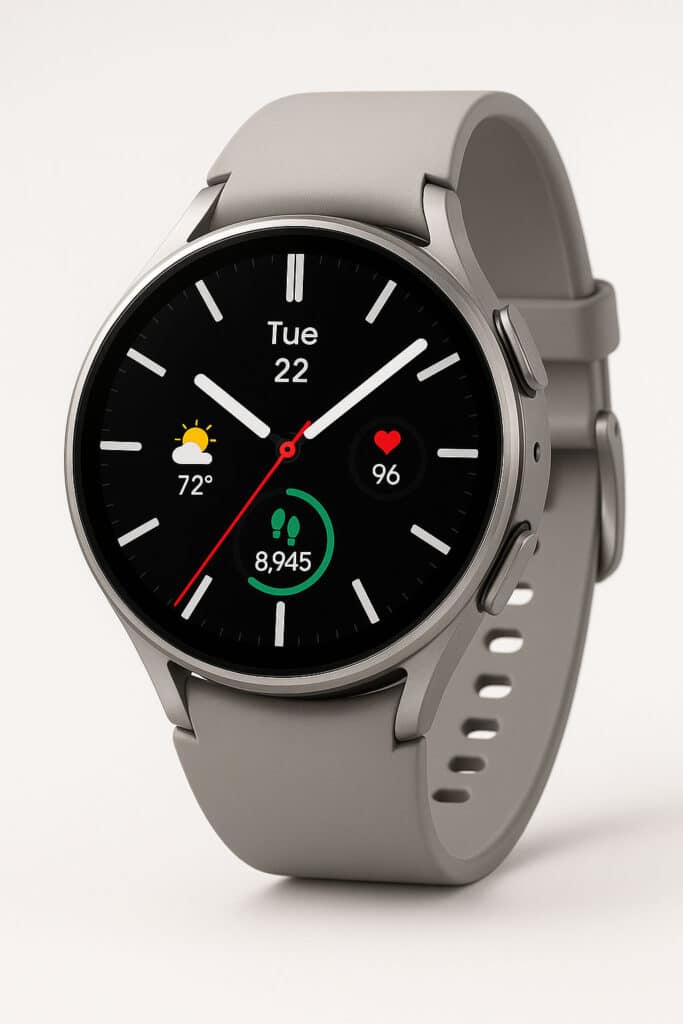
5. Whoop 5.0 – Recovery first training with subscription coaching
Scores out of 10
- Accuracy: 9.4/10 ★★★★★★★★★★
- Battery Life: 9.6/10 ★★★★★★★★★★
- Comfort: 9.3/10 ★★★★★★★★★★
- App Integration: 9/10 ★★★★★★★★★★
- Features: 9.5/10 ★★★★★★★★★★
- Support: 8.8/10 ★★★★★★★★★★
- Overall: 9.2/10 ★★★★★★★★★★
The Whoop 5.0 embraces a subscription model in exchange for deep strain, sleep, and recovery analytics. For athletes who respond to readiness and need to manage overtraining, it’s uniquely valuable. If you want onboard GPS or classic smartwatch features, look elsewhere.
- Pros – Industry leading recovery analytics, excellent battery with battery pack, discreet design.
- Cons – Ongoing subscription, limited smartwatch capabilities.
Trade-offs and who it is not for – Whoop is most valuable when you will engage with its coaching and are comfortable paying an ongoing subscription. If you want a screen, built-in GPS, or a one-off purchase with no membership, a watch (Garmin, Apple, Samsung) or a ring (Oura) may be a better match.
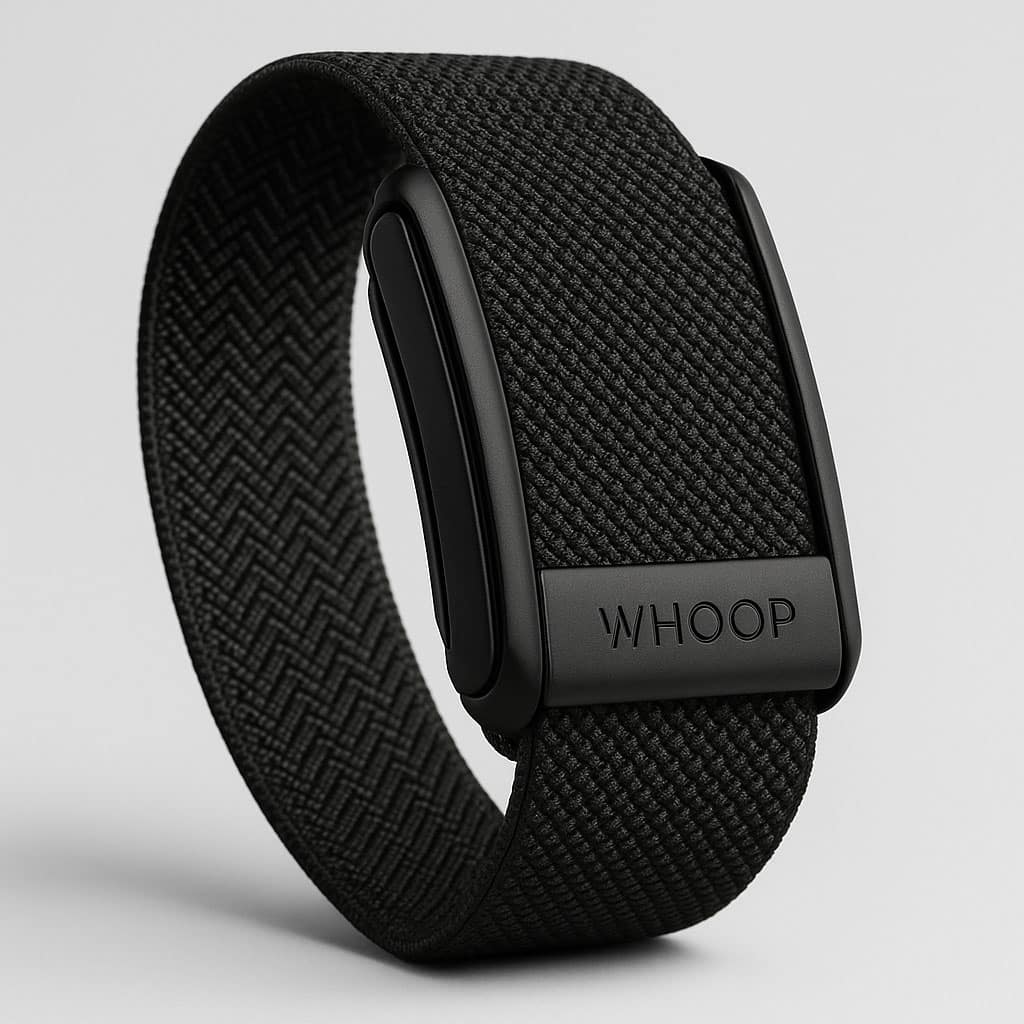
6. Amazfit Balance 2 – Monster battery and strong GPS for less
Scores out of 10
- Accuracy: 9.1/10 ★★★★★★★★★★
- Battery Life: 9.5/10 ★★★★★★★★★★
- Comfort: 9/10 ★★★★★★★★★★
- App Integration: 9.2/10 ★★★★★★★★★★
- Features: 9/10 ★★★★★★★★★★
- Support: 8.9/10 ★★★★★★★★★★
- Overall: 9.1/10 ★★★★★★★★★★
The Amazfit Balance 2 is the battery champ in this price bracket. It handles long runs and multi day trips without a charger, offers accurate GPS, and covers essential health metrics. App integration is improving and more than good enough for most users.
- Pros – Outstanding battery, accurate GPS, compelling price.
- Cons – Ecosystem and third party integrations are not as deep as the big two platforms.
Trade-offs and who it is not for – If you rely on deep third-party apps, tight integration with a specific phone ecosystem, or premium coaching platforms, the bigger brands still feel smoother. Amazfit Balance 2 is a strong choice when you want long battery and solid GPS at a lower price, and you can live with a simpler ecosystem.
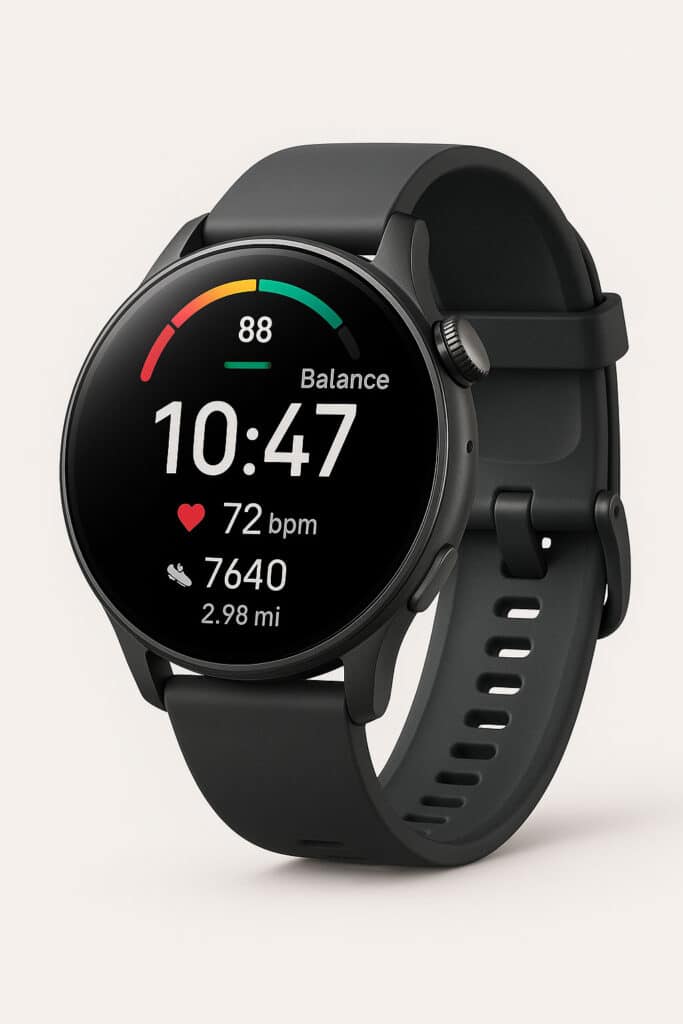
7. Oura Ring Gen 4 – The discreet everyday health companion
Scores out of 10
- Accuracy: 9/10 ★★★★★★★★★★
- Battery Life: 9.8/10 ★★★★★★★★★★
- Comfort: 9.7/10 ★★★★★★★★★★
- App Integration: 8.9/10 ★★★★★★★★★★
- Features: 8.5/10 ★★★★★★★★★★
- Support: 8.8/10 ★★★★★★★★★★
- Overall: 9.1/10 ★★★★★★★★★★
Prefer to avoid wrist screens. The Oura Ring Gen 4 is a minimalist’s dream. Sleep staging and readiness scoring are clear and habit forming, while comfort is excellent for 24 7 wear. It’s not a sport watch – it’s a lifestyle health tracker.
- Pros – Ultra comfortable, excellent sleep tracking, discreet form factor.
- Cons – No display, limited use for structured workouts.
Trade-offs and who it is not for – Rings are excellent for sleep and recovery, but they are not ideal if you want real-time workout screens or detailed training load metrics on your wrist. If you lift heavy with bars or kettlebells, wearing a ring can be uncomfortable – a band or watch may be more practical.
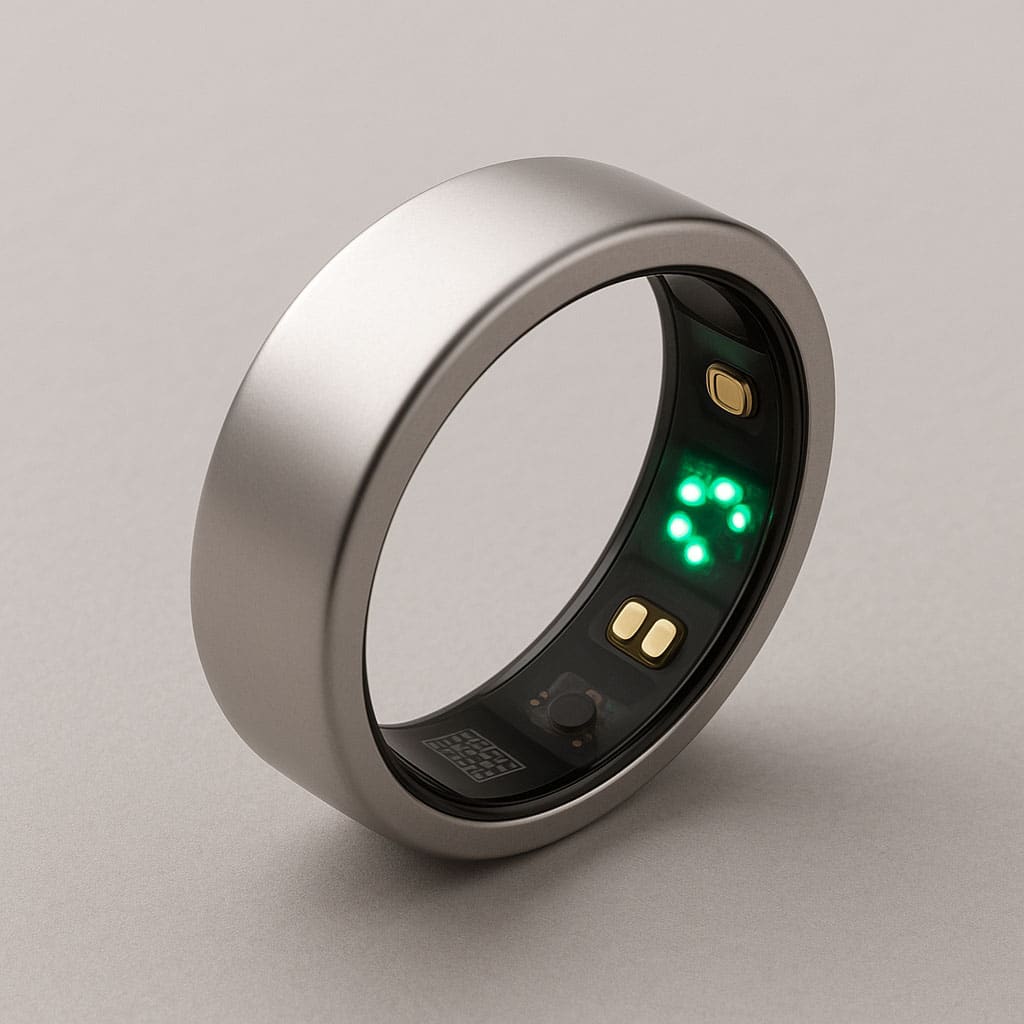
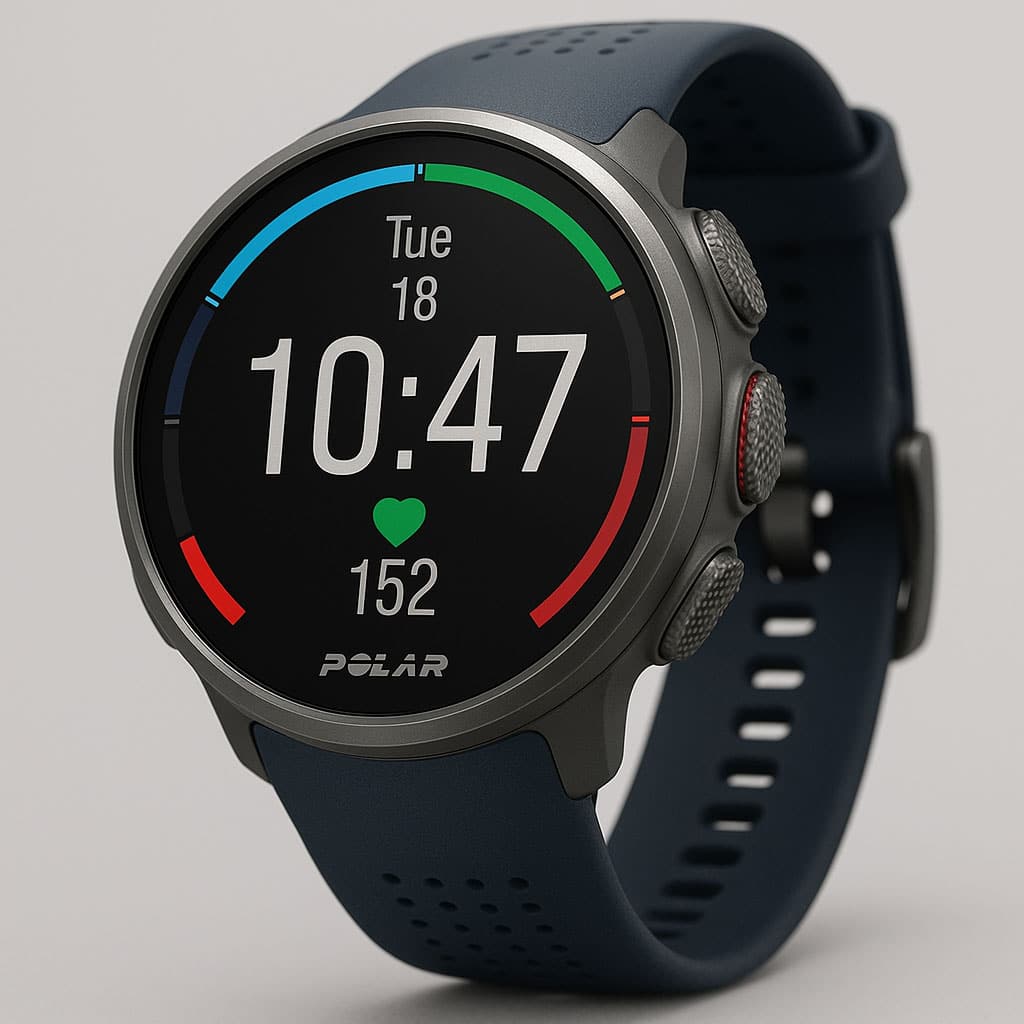
8. Polar Vantage V3 – Focused metrics for runners and multi sport
Scores out of 10
- Accuracy: 9.4/10 ★★★★★★★★★★
- Battery Life: 9.2/10 ★★★★★★★★★★
- Comfort: 8.9/10 ★★★★★★★★★★
- App Integration: 9/10 ★★★★★★★★★★
- Features: 9.2/10 ★★★★★★★★★★
- Support: 8.7/10 ★★★★★★★★★★
- Overall: 9/10 ★★★★★★★★★★
Polar remains a favorite for runners and triathletes who want structured training guidance. The Polar Vantage V3 offers accurate sensors, clear workout load metrics, and strong battery. App and third party integrations are improving but still trail Apple and Samsung in lifestyle breadth.
- Pros – Great training metrics, accurate GPS and HR, dependable battery.
- Cons – App ecosystem is narrower than the largest platforms.
Trade-offs and who it is not for – If you want a watch mainly for apps, payments, and lifestyle features, Apple Watch or Samsung Galaxy Watch will feel more complete. Polar Vantage V3 is best when structured training guidance and endurance metrics matter more than a large app ecosystem.
9. Xiaomi Smart Band 9 – The best entry level fitness tracker
Scores out of 10
- Accuracy: 8.8/10 ★★★★★★★★★★
- Battery Life: 9.4/10 ★★★★★★★★★★
- Comfort: 8.7/10 ★★★★★★★★★★
- App Integration: 9.1/10 ★★★★★★★★★★
- Features: 8.5/10 ★★★★★★★★★★
- Support: 8.6/10 ★★★★★★★★★★
- Overall: 8.9/10 ★★★★★★★★★★
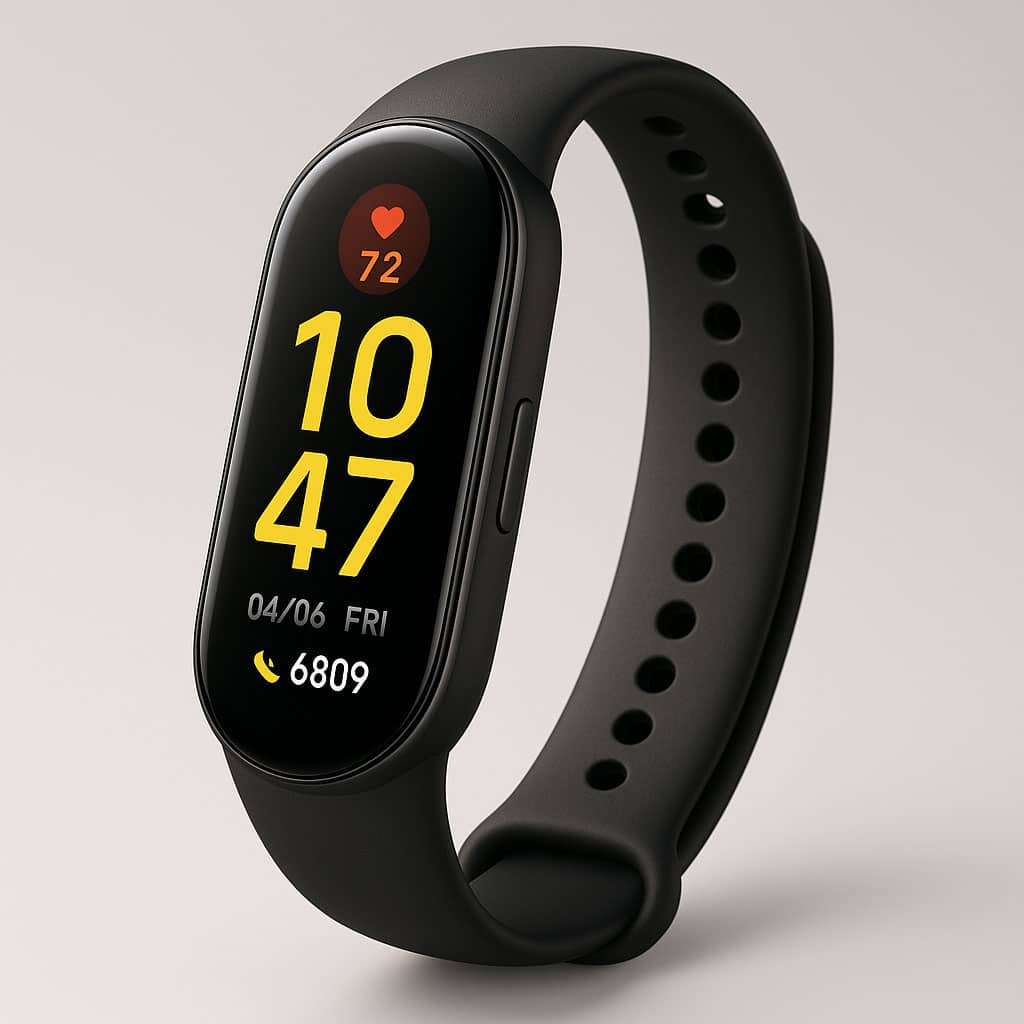
On a tight budget. The Xiaomi Smart Band 9 tracks steps, HR, sleep, and basic workouts accurately enough for beginners. Battery is excellent and comfort is high. You sacrifice some premium sensors and coaching, but at this price it’s a standout.
- Pros – Very affordable, long battery, lightweight and comfortable.
- Cons – Basic training metrics and fewer advanced sensors.
Trade-offs and who it is not for – If you are training to specific pace zones, need highly accurate GPS routes, or want advanced recovery coaching, a budget band will leave gaps. Xiaomi Smart Band 9 is best when you want consistent basics (steps, heart rate, sleep) with minimal cost and fuss.
10. Huawei Watch Fit 3 – All day health tracking without the price tag
Scores out of 10
- Accuracy: 8.9/10 ★★★★★★★★★★
- Battery Life: 9.2/10 ★★★★★★★★★★
- Comfort: 8.8/10 ★★★★★★★★★★
- App Integration: 9/10 ★★★★★★★★★★
- Features: 8.7/10 ★★★★★★★★★★
- Support: 8.6/10 ★★★★★★★★★★
- Overall: 8.9/10 ★★★★★★★★★★
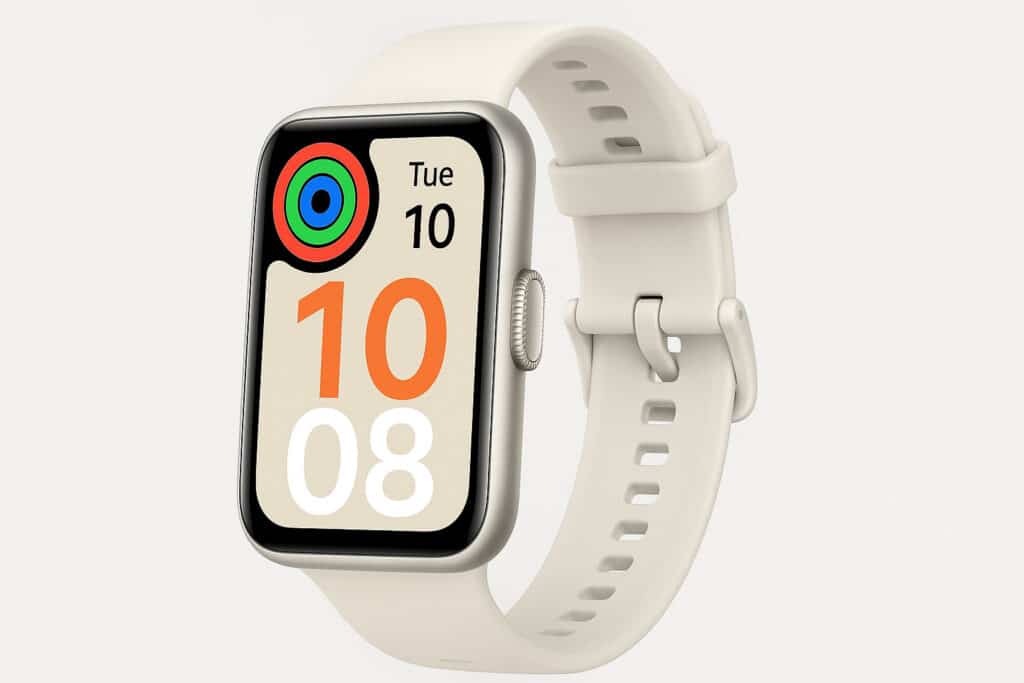
The Huawei Watch Fit 3 balances comfort, battery, and health features for casual users. It’s a great choice if you want dependable everyday tracking without premium pricing or complex training tools.
- Pros – Solid battery, bright display, comfortable for 24 7 wear.
- Cons – Ecosystem limitations and fewer advanced sport modes.
Trade-offs and who it is not for – If you want the widest third-party app support or you rely heavily on a specific phone ecosystem, an Apple or Samsung watch will typically be easier. Huawei Watch Fit 3 is a sensible pick for casual tracking when comfort, battery, and price are the priority over advanced sport depth.
How We Score Fitness Trackers
Our scoring model weights core fitness performance and long term usability. Each metric is scored out of 10 and contributes to the overall score:
- Accuracy – Sensor consistency and precision for HR, GPS, SpO2, and motion.
- Battery Life – Real world endurance for mixed use and GPS heavy scenarios.
- Comfort – Materials, weight, and fit for all day and sleep wear.
- App Integration – Sync reliability, ecosystem depth, and third party support.
- Features – Sport modes, coaching, safety, mapping, and recovery analytics.
- Support – Firmware cadence, documentation, community, and warranty.
We combine lab style repeatability checks with long runs, interval sessions, strength workouts, and sleep tracking to evaluate both peak performance and daily usability. Scores are normalized to ensure comparability across categories and device types.
Buying Guide – What to Look For in a Fitness Tracker
1. Match the wearable to your phone and apps
Pick a device that plays nicely with your phone and favourite services. Apple Watch Series 10 is best with iPhone. Samsung Galaxy Watch 7 fits Android perfectly. If you live in Strava, Garmin Connect, or Polar Flow, prioritise those ecosystems.
2. Battery life vs. screen and smarts
Brighter screens and smarter apps usually mean shorter battery. Endurance matters for marathon training and hiking – where Garmin Venu 3 or Amazfit Balance 2 shine.
3. Accuracy is everything for progress
Inconsistent HR or GPS ruins training plans. Devices like Garmin Venu 3 and Polar Vantage V3 lead if you care about data quality.
4. Recovery and sleep insights guide training load
Readiness scores help avoid overtraining. Whoop 5.0 and Oura Ring Gen 4 specialize here.
5. Comfort for 24 7 wear
A comfortable device yields better data because you wear it more. Bands like Fitbit Charge 6 and rings like Oura Ring Gen 4 are great for sleep tracking.
6. Value and total cost of ownership
Don’t forget to take subscriptions into account. Whoop 5.0 offers deep analytics via membership – terrific for some, unnecessary for others.
Top Fitness Tracker 2025 FAQs
Top smartwatches like Apple Watch Series 10 and Samsung Galaxy Watch 7 have closed the gap for everyday workouts. For long endurance and multi band GPS precision, dedicated devices like Garmin Venu 3 still lead.
For mainstream picks, Amazfit Balance 2 delivers excellent multi day to multi week stamina depending on usage. Bands like Xiaomi Smart Band 9 also last a long time due to smaller screens.
Not always. Garmin Venu 3, Polar Vantage V3, and Amazfit Balance 2 include robust features without a mandatory subscription. Whoop 5.0 uses membership to unlock its signature recovery analytics.
Oura Ring Gen 4 is our top discreet choice. If you want training guidance tied to readiness, Whoop 5.0 stands out.
Xiaomi Smart Band 9 and Fitbit Charge 6 are easy to use, accurate enough, and very affordable.
Summary – The Right Choice for Your Goals
If you want the most dependable training companion, pick the Garmin Venu 3. If you live on iPhone and want the richest apps, the Apple Watch Series 10 is peerless. For value seekers, the Fitbit Charge 6 or Amazfit Balance 2 are fantastic. Recovery focused athletes will thrive with Whoop 5.0, while minimalists who want invisible tracking should choose the Oura Ring Gen 4.
If you found this content helpful,please consider sharing!:
